What To Know About Golf Course Living In Cobblestone Park
March 24, 2026
March 24, 2026
Imagine waking up to sweeping green views, quiet mornings on the patio, and a quick stroll to the clubhouse. If Cobblestone Park in Blythewood is on your list, you probably want to know what golf course living really feels like day to day. You also want clarity on HOA rules, club membership costs, and how a fairway view can affect value. This guide walks you through how Cobblestone Park is set up, what to expect near the course, practical maintenance tips, and a buyer checklist to use before you make an offer. Let’s dive in.
Cobblestone Park is a gated, master‑planned community in Blythewood, built around a championship golf facility and a full lineup of on‑site amenities like a clubhouse, pool, tennis, and walking trails. The neighborhood spans multiple phases and sub‑associations, which is why dues and rules can differ by street or section.
At the heart of the community is Cobblestone Golf Club, a 27‑hole course designed by P.B. Dye with three distinct nines. The club highlights its course layout, clubhouse, and dining, and serves the greater Columbia area. You can review course details directly on the club’s site under the golf section. For a deeper look at the course experience, see the club’s overview of course layout and amenities.
Membership is offered through the McConnell Golf network with multiple categories, including a Resident Full Golf option. Owning a home in Cobblestone Park does not automatically include golf privileges. You choose if and how you want to join. Explore current options on the club’s membership page.
Most buyers want to know which costs are included in HOA dues and what sits outside the HOA. In Cobblestone Park, HOA or sub‑HOA dues typically cover community common‑area maintenance like the gate, landscaping, and amenity‑center upkeep. Golf membership is separate and optional. You should plan for HOA dues plus any initiation and monthly fees if you want playing privileges through the club’s membership.
Because Cobblestone Park includes multiple phases, you will want the exact HOA packet for the specific lot or sub‑association you are considering. The covenants and rules set things like exterior changes, parking, fencing, golf cart use, and more. If you cannot obtain current financials, rules, and reserve information, treat that as a red flag. For background on HOA governance and buyer rights, the county provides an overview of homeowner associations.
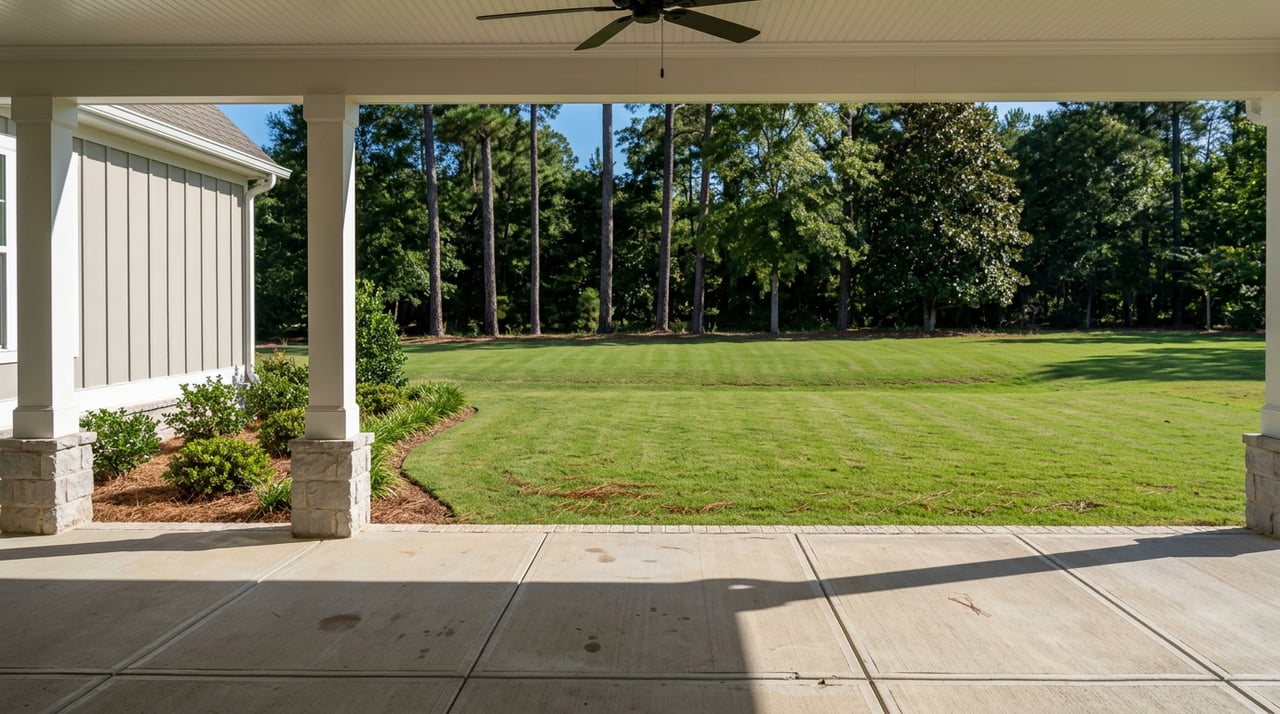
Fairway‑facing homes often deliver wide, park‑like views and a greater sense of space. Builders tend to orient floor plans and outdoor living to maximize that scenery. The tradeoff is a bit more visibility. On busy days, you may notice cart path traffic or spectators near certain tees and greens.
Errant shots do happen. Many homeowners policies cover accidental damage, like a broken window, but coverage and deductibles vary. It is smart to confirm coverage with your insurer and ask the seller about any prior golf‑related claims. Some owners add impact film, tempered glass, or landscape buffers to reduce risk. For an insurance checkup, see what Consumer Reports says about homeowners coverage gaps.
Golf courses rely on nutrient and pest management programs. Off‑target spray, known as drift, can occur in some settings. If you have concerns, ask the course superintendent for a general spray calendar and how neighbors are notified before broadcast applications. Federal guidance outlines how drift is regulated and how to report issues. Review the EPA’s pesticide drift guidance for context.
In the Midlands, courses commonly use warm‑season turf like bermudagrass for fairways and tees. Bermudagrass goes dormant and can brown in winter, then greens up in spring. You will also see seasonal maintenance like aeration on posted schedules. Clemson Extension explains the characteristics of bermudagrass, which helps you set expectations for color and texture across seasons.
Courses often include ponds and wooded corridors that attract birds and other wildlife. These features can bring natural beauty and also introduce mosquito management or stormwater easements on certain lots. Before you buy, review the recorded plat to confirm any drainage or cart path easements that cross the property. Town planning packets and county records can help you interpret plats and setbacks. You can see how plats and easements appear in local planning documents.
Living beside a course can influence how you maintain and upgrade your home. Here are smart places to focus your budget and attention:
Proximity to a golf course often increases a home’s value compared with non‑amenity lots, although premiums vary by market and even by street. Some studies show immediate adjacency carries a several‑percent premium in many settings, while others note that noise or traffic can reduce that advantage for certain homes. The key is to use local, recent closed sales for your phase of Cobblestone Park to estimate any true premium for golf‑front versus interior lots. A planning study summarizing these patterns is available in this review of infrastructure impacts on property values.
If you plan to resell in a few years, balance the view and privacy benefits of a fairway lot with practical protections. Clear window treatments, smart landscaping, and documented maintenance can reassure future buyers and support your asking price.
Ask for these items in writing and keep dated copies. Your goal is to remove guesswork and confirm costs, rules, and any easements that affect your day‑to‑day life.
Ready to explore Cobblestone Park with a clear plan and local insight? Get step‑by‑step guidance, a comps package tailored to your phase, and help coordinating HOA and club documents. Reach out to Mackenzie Robertson to schedule a free, no‑pressure consultation.
Stay up to date on the latest real estate trends.



Let’s make your next move in Columbia effortless and successful.