Relocating To Blythewood, SC: What Buyers Should Know
April 2, 2026
April 2, 2026
Thinking about a move to Blythewood? If you want more space, a quieter pace, and access to the Columbia area without living in the middle of the city, Blythewood is likely already on your radar. The good news is that this fast-growing town offers a strong mix of small-town identity, commuter convenience, and detached homes at price points that many relocating buyers want to understand before making a move. Let’s dive in.
Blythewood is a small town north of Columbia that has seen notable growth in recent years. The U.S. Census QuickFacts profile for Blythewood estimates the population at 6,733 in July 2024, up from 4,772 in the 2020 census.
That growth helps explain why more relocating buyers are taking a closer look. Blythewood offers a residential feel, and the same Census profile shows that 81.8% of housing units were owner-occupied in the 2020-2024 ACS, which points to a market centered heavily on homeownership.
For many buyers, the appeal comes down to balance. You can live in a town with a distinct local identity while still staying connected to jobs, services, and amenities in the greater Columbia area.
One of Blythewood’s biggest advantages is its regional position. Experience Columbia SC places Blythewood about 25 minutes north of Columbia’s city center, making it a realistic option if you want access to Columbia without living in a more urban setting.
The commute pattern supports that picture. According to the Census profile, the mean travel time to work is 31.4 minutes, which suggests that many residents commute to surrounding employment centers.
If you are relocating from a larger metro area, that setup may feel familiar. Blythewood often works best for buyers who are comfortable driving for work, errands, and day-to-day routines in exchange for a quieter home base.
Blythewood has a community identity that feels more rooted and established than some fast-growing suburban areas. The Advisory Council on Historic Preservation notes that the town was once known as Doko, grew around the railroad depot era, was renamed Blythewood in 1877, and incorporated in 1879.
That history still shows up in how the town presents itself today. You will also see references to Doko in local places and newer developments, which helps tie current growth back to the area’s past.
Blythewood is also known for its equestrian roots. The same preservation source highlights the area’s horse culture, large horse farms, and connection to the University of South Carolina equestrian program.
For a small town, Blythewood has a strong civic center. Doko Meadows Park is one of the community’s best-known amenities, with a 25-acre master-planned setting that includes walking trails, a lake, picnic tables, playground equipment, restrooms, athletic space, a multipurpose field, Doko Manor, and the Palmetto Citizens Amphitheater.
That matters when you are evaluating daily life, not just a home search. A town’s shared spaces often shape how convenient and connected it feels once you actually live there.
Blythewood also has recurring events and gathering spots that help create a sense of place. According to Experience Columbia SC, the town features destinations like Doko Smoke BBQ, Scott Benny’s, Doko Station Pub & Eatery, and Cobblestone Park Golf Club, along with events such as the DOKO Rodeo, Doko Film Fest, and the J. Gordon Coogler Poetry Festival.
If you want a Columbia-area community with a little more breathing room and a distinct local flavor, Blythewood stands out. Experience Columbia SC describes the area as rooted in agriculture and equestrianism, and notes that there are more than 50 equestrian and stable facilities in the area.
Even if you are not involved in equestrian activities yourself, that heritage influences the town’s character. It contributes to the more open, less urban feel that many relocating buyers are looking for when they start comparing Columbia-area communities.
If you are budgeting for a move, current pricing is an important part of the picture. Realtor.com’s Blythewood market overview shows a median listing price of $389,000 in March 2026, with a median price per square foot of $151.
That aligns closely with the Census estimate of median owner-occupied home value, which came in at $384,600 for 2020-2024. For buyers, that gives a helpful benchmark when you start comparing Blythewood to other communities in the Columbia northeast corridor.
The current market snapshot also shows 425 homes for sale, a median of 45 days on market, and a 98% sale-to-list ratio. In plain terms, that suggests a market with active inventory and relatively steady pricing, rather than one where buyers should assume deep discounts or instant urgency across every listing.
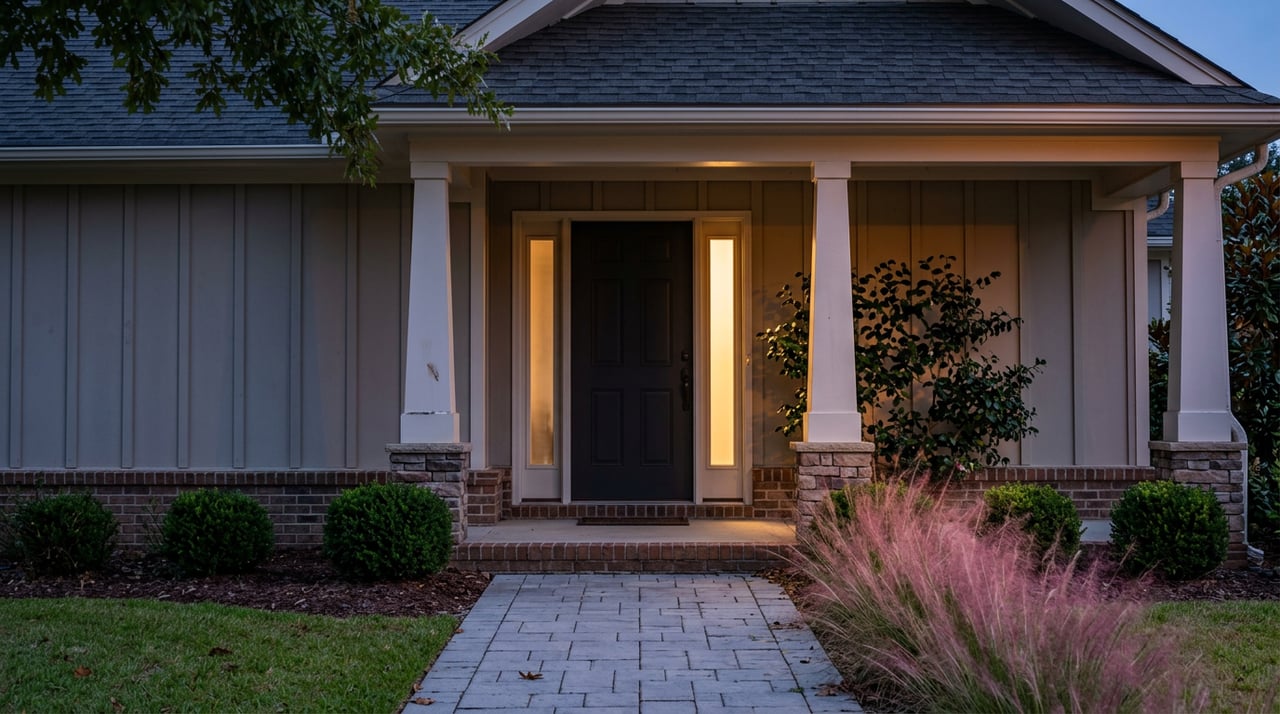
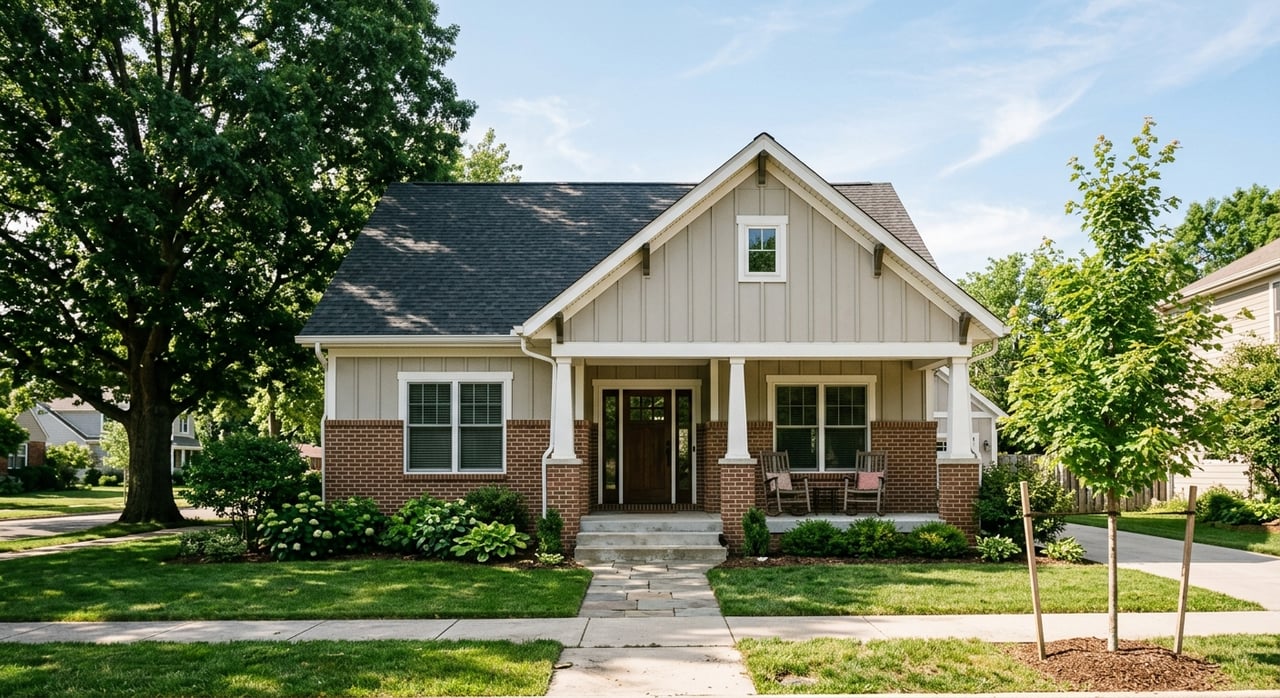
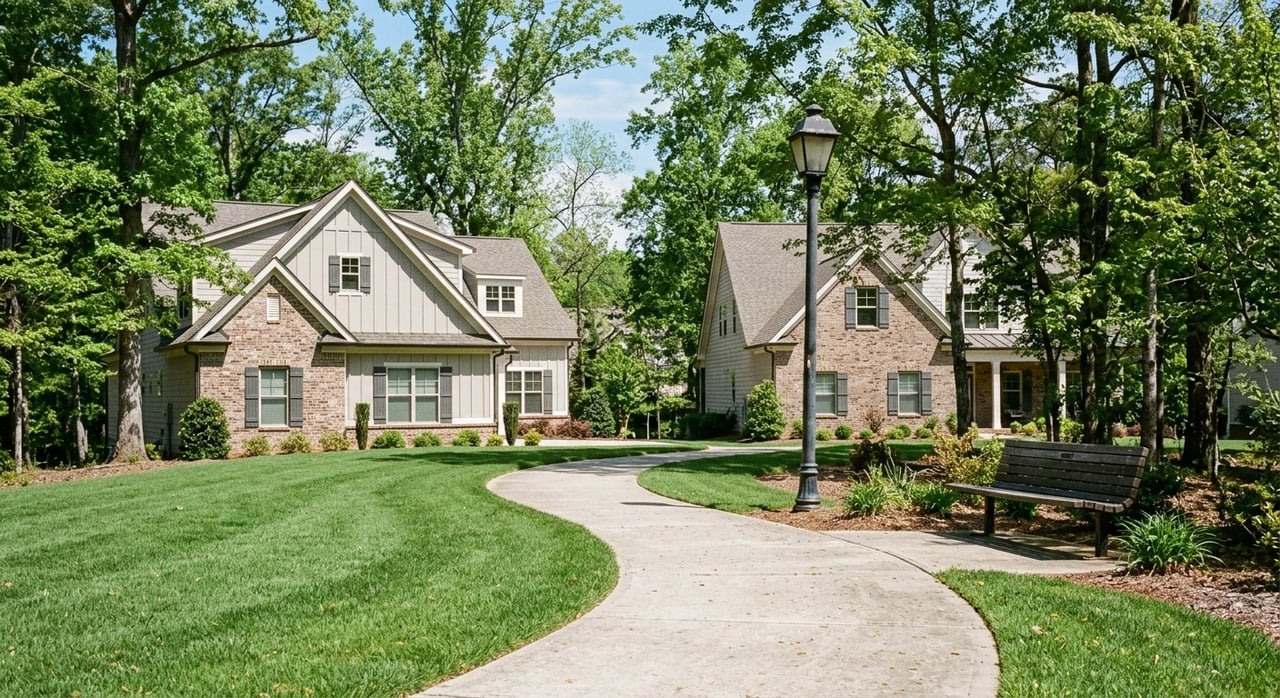
Most of the visible inventory in Blythewood is made up of detached houses. Realtor.com’s current examples include several 3- to 5-bedroom homes ranging from about 2,176 to 3,133 square feet, often priced in the mid-$350,000s, with some higher-end homes also on the market.
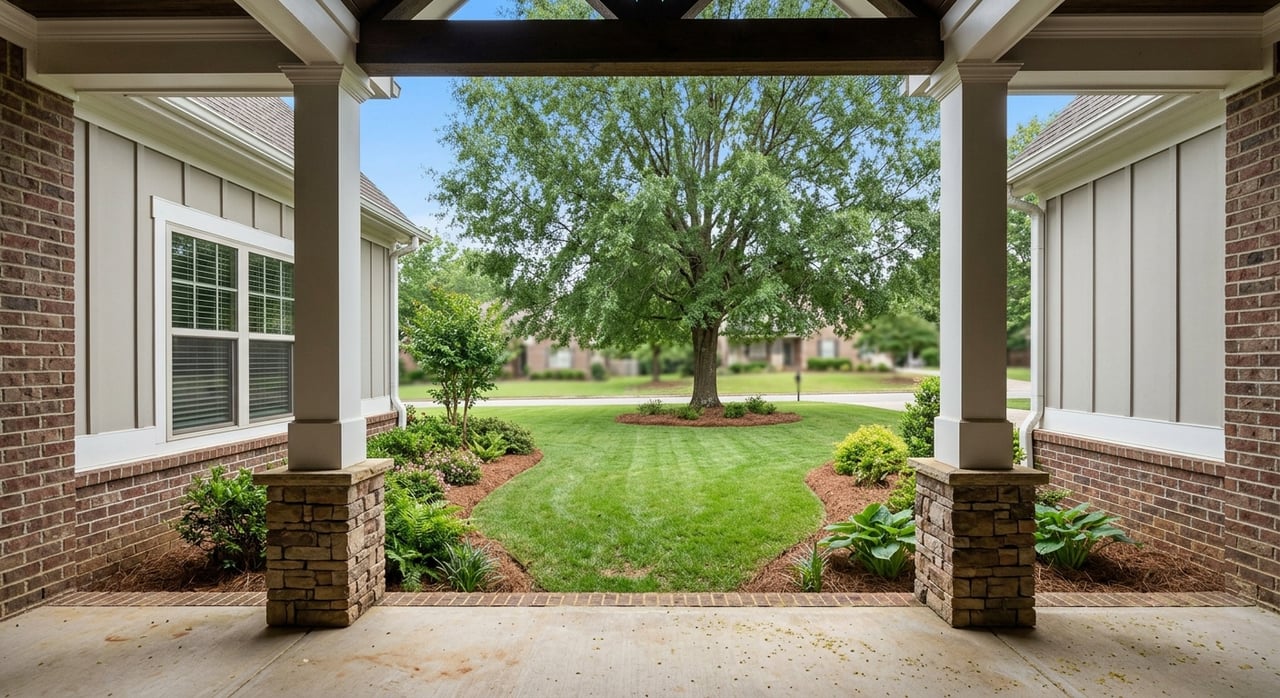
For many relocating buyers, that is one of Blythewood’s clearest strengths. If you are looking for a single-family home with more interior space, a yard, and a suburban layout, Blythewood is more likely to match that goal than a denser in-town area.
This also fits the broader owner-occupied profile of the community. In many cases, buyers searching here are prioritizing long-term livability, room to spread out, and access to newer or newer-feeling housing options.
Some relocations work best with a short-term rental before you buy, but Blythewood may offer fewer options if that is your plan. Realtor.com’s market overview shows only 25 rental properties in the current snapshot, with a median rent of about $2,400 per month.
That does not mean renting is impossible. It does mean you may want to plan early if you expect to lease first and purchase later.
For some buyers, limited rental supply becomes a reason to move more directly into a purchase. If you already know the Columbia northeast corridor is where you want to land, a focused home search can sometimes be the more practical route.
Blythewood tends to appeal to buyers who want a quieter pace while staying tied to the Columbia area. Based on the commute profile, housing mix, and amenity base in the sources above, it is often a strong match if you are looking for:
Like any move, the right fit depends on your routine. If you want walkable urban density and short errand runs without driving, Blythewood may feel more spread out. If you want space, a neighborhood-oriented setting, and a practical commute into Columbia, it may check a lot of boxes.
When you are relocating to Blythewood, try to think beyond the listing photos. A home may look great online, but the bigger question is how the area supports your day-to-day life.
As you compare homes, ask yourself:
The clearer you are on those priorities, the easier it becomes to decide whether Blythewood is simply appealing on paper or genuinely the right move for you.
Relocating is about more than choosing a house. You are choosing a pace of life, a commute pattern, and a community that needs to fit your day-to-day needs. Blythewood offers a compelling option for buyers who want a growing Columbia-area town with strong homeownership, detached housing, civic amenities, and a setting shaped by local history and equestrian character.
If you are weighing Blythewood against other Columbia-area suburbs, having local guidance can make the process much easier. When you are ready to talk through neighborhoods, timing, and what your budget can realistically buy, connect with Mackenzie Robertson for a personalized plan.
Stay up to date on the latest real estate trends.
Let’s make your next move in Columbia effortless and successful.