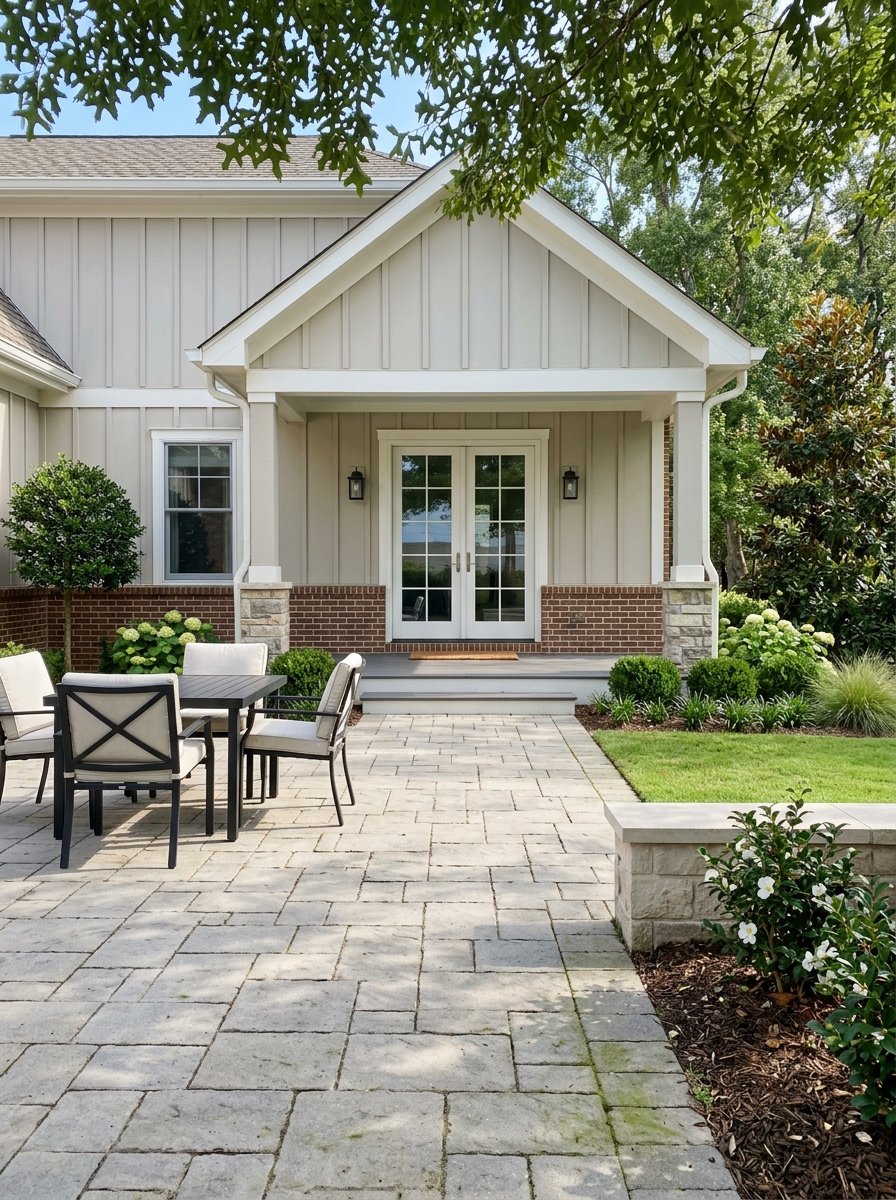
Is your Saluda River Club home worth more than the place across the street? In this neighborhood, it might be. With distinct districts, riverfront and bluff lots, and active new construction, pricing here is not one-size-fits-all. In this guide, you’ll learn how to price with confidence using neighborhood data, which features move value the most, how a smart CMA comes together, and how to avoid appraisal surprises. Let’s dive in.
Lexington vs. Saluda River Club
City numbers set the backdrop, but SRC behaves like a higher-end niche. Zillow reports a Lexington ZHVI of about $298,700 as of January 31, 2026, with a typical time-to-pending near 36 days. Redfin’s city summary shows a median sale price around $313,000, about $149 per square foot, and a median days on market near 49 days. These give you context for the broader market tempo.
Inside Saluda River Club, independent neighborhood reports based on MLS data show 44 closed homes in 2025 with an average sale price around $765,679. The River District averaged above $1.1 million in 2025, while Village and Hillside segments trended lower. New construction in 2025 set upper benchmarks and widened the top end of the range. That internal variety is why your list price should be anchored to district-level comps, not citywide averages.
What moves price inside SRC
Lot and location
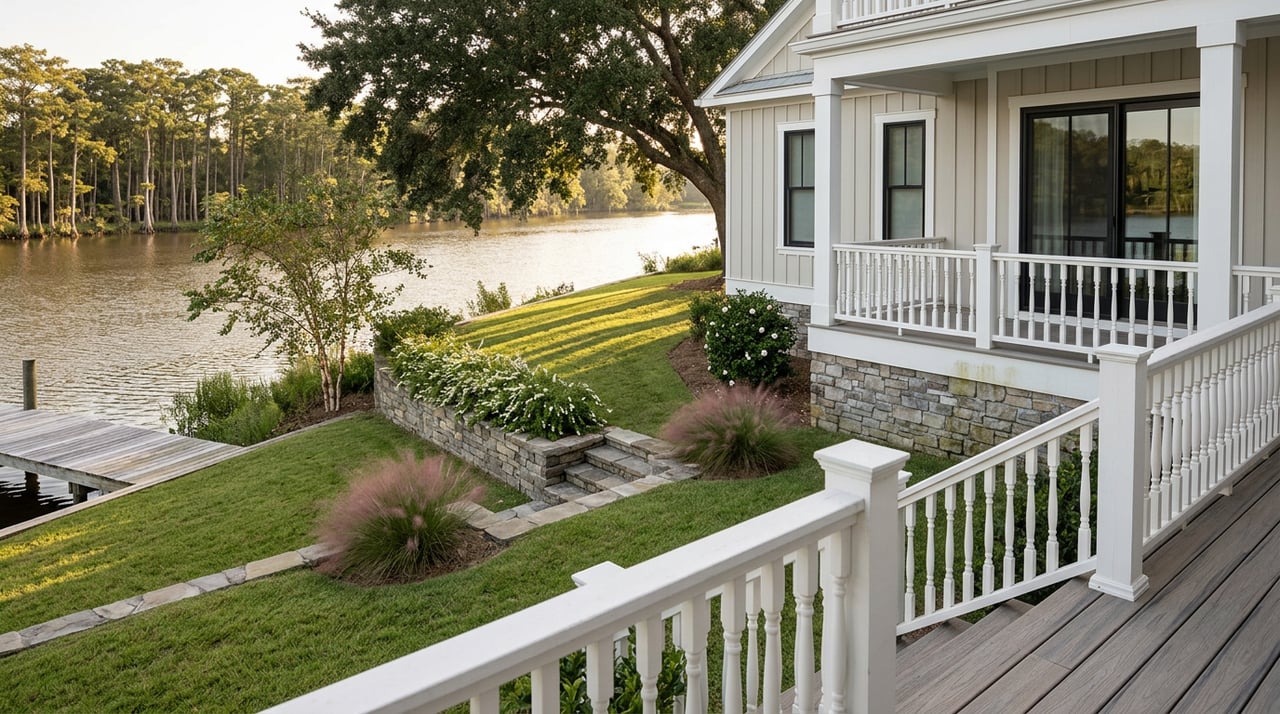
Riverfront and bluff lots carry notable premiums. The Bluffs are marketed as sitting about 45 feet above the Saluda River, which delivers elevated views and privacy that many buyers prize. River District resales and new builds produced several seven-figure closings in 2025, while interior Village and Hillside homes typically sold at lower bands. Use district-level averages to estimate premium rather than a single percentage. Learn more about the terrain on the community’s page for The Bluffs overview.
Home type and size
Townhomes and villas in Hillside and the Village District offer a lower entry point. A Hillside townhouse closing in 2025 came in near $464,805. Interior single-family homes tend to sit in the middle bands. River District and bluff homes form the top tier, often $900,000 to $1.5 million or more depending on size and finish. Each product type draws a different buyer pool and financing profile, which also affects time on market.
Community amenities
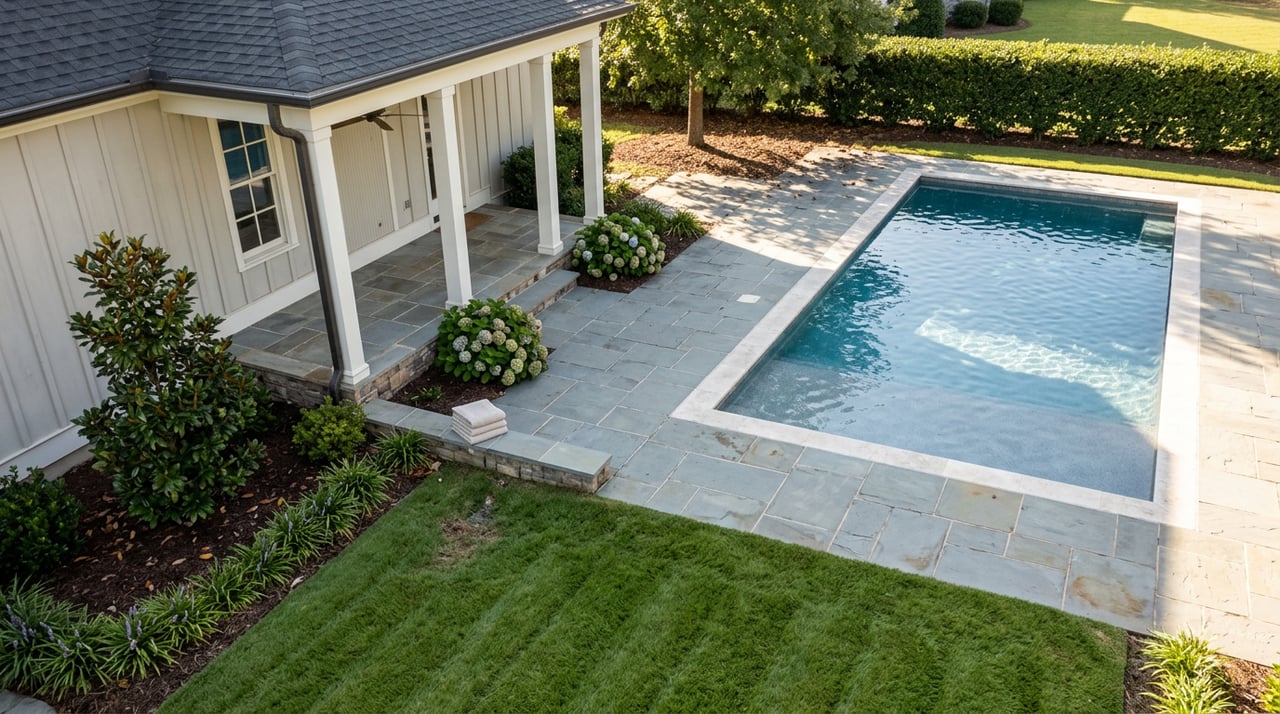
Shared amenities widen buyer appeal and help support pricing across segments. Saluda River Club features two clubhouses, two pools, a fitness center, walking trails, a dog park, gardens, an amphitheater and observation deck, and river access with kayak launches. See the full list of community amenities.
Deeded slips and river access
Boat access can be a significant value lever. Some product types may include deeded arrangements or shared facilities. Whether a specific home conveys with a slip or special access is a material pricing factor. Confirm details in the deed, plat, and HOA documents before you set a price. Ownership and transfer rules vary and can add tens of thousands to value depending on scarcity.
Condition and new-build benchmarks
New construction often sets the ceiling. In 2025, a custom new build in the River District closed above $1.5 million, defining a top-of-market benchmark. Resales near those levels can face appraisal risk if recent resale comps do not yet support that price. When comparing, be clear if you are using new-build comps or resale comps, then adjust accordingly.
How agents set your list price
A strong Comparative Market Analysis (CMA) narrows in on the most similar, recent sales. In SRC, ask your agent to prioritize:
- Recent solds from the last 3 to 6 months when available
- Same district within SRC first, then nearby if needed
- Matching product type and lot position, especially riverfront or bluff vs. interior
- 3 to 10 comps, with clear adjustments for square footage, lot, condition, and special features
Key metrics to review
- Price per square foot by district and product type
- Recent list-to-sale ratios and median days on market
- Current absorption or months of inventory
- City metrics from portals as context, but let SRC MLS data drive your final number
Common SRC adjustments
- Lot and location. Riverfront and bluff homes command a premium. Confirm if a comp included a deeded slip or private access and treat that as a separate line item.
- Condition and upgrades. Newer roofs, HVAC, updated kitchens, and high-end finishes warrant dollar or percentage adjustments.
- New build vs. resale. If new-construction sales are the strongest comps, your agent will note a new-build premium and explain any appraisal considerations for a resale listing.
Pricing strategies that work
- Price at market. Align with the CMA’s midpoint to capture the broadest buyer pool and predictable timelines.
- Price slightly below market. In tight micro-markets, a small discount can build urgency and increase your odds of multiple offers.
- Price above market selectively. Only do this when data clearly support a specific, provable premium. Overpricing often leads to longer days on market and larger reductions later, which can reduce your net.
Appraisal risk and how to plan for it
If your list price sits above recent resale comps, your buyer’s lender may not support the full contract price. You have options:
- Request appraisal gap coverage in the offer
- Favor cash buyers when terms are competitive
- Price toward recent resales to minimize risk
For a primer on appraisal contingencies and gap strategies, read this clear overview on appraisal contingency options.
Recent SRC comps to calibrate
These examples illustrate range and district differences. Use them as snapshots, not as substitutes for a current MLS CMA.
- River District new build, 738 Bimini Twist Cir. Closed around $1,524,000 in 2025. Sets an upper benchmark for luxury new construction.
- River District resale, 712 Bimini Twist Cir. Closed at $1,150,000 in 2025. Notable rebound after repositioning and correct pricing.
- River District sale, 436 River Club Rd. Closed at $1,000,000 on 07/01/2025. Useful high-end anchor within the riverfront tier.
- Village District single-family, 363 River Club Rd. Closed near $875,000 in 2025. Illustrates the middle band for interior homes.
- Hillside townhome example. Closing near $465,000 in 2025. Shows the entry-tier inside SRC for attached product.
Always include the closing month and year in your CMA and ask for at least one or two very recent sales to confirm trend direction.
Seller pricing prep checklist
- HOA and CCR packet. Verify fees and what they cover. Fees in SRC vary by product and location. Example listings show about $835 quarterly in some Village homes, and broader ranges of roughly $1,500 to $3,200 per year. Confirm coverage before pricing.
- Deed and plat. Confirm lot lines, whether the property is riverfront vs. view, and if any slip or access rights convey. Verify with HOA and closing documents.
- Updates and receipts. Gather invoices for roof, HVAC, appliances, and any renovations. Your agent will use these to support value adjustments in the CMA.
- Pre-listing inspection or appraisal. Helpful for unique or higher-priced lots to reduce renegotiation risk and bolster pricing.
- Flood and elevation. If your lot sits near the river or lower terrain, check FEMA maps and consider an elevation certificate. Look up your address on FEMA’s Map Service Center.
- Marketing readiness. Professional photography, a measured floor plan, light staging, and lifestyle-forward copy that highlights river access, bluff views, recent upgrades, and community amenities. See SRC’s amenities overview for features to highlight.
Choose your pricing path
Smart pricing in Saluda River Club starts with district-specific comps and a clear stance on lot, product type, and condition. From there, you can pick a strategy that fits your goals and the current pace of the micro-market. If you want a neighborhood-savvy CMA and a marketing plan that speaks to SRC buyers, connect with Mackenzie Robertson for a one-on-one consultation.
FAQs
How does SRC pricing compare to Lexington citywide?
- Lexington’s city metrics show a ZHVI near $298,700 and a median sale price near $313,000, but SRC behaves like a higher-end niche with a 2025 average sale price around $765,679 and distinct district tiers.
What is the best way to price a riverfront or bluff home?
- Start with River District or Bluffs resales from the last 3 to 6 months, adjust for size and finishes, verify any deeded slip or access rights, and consider new-build benchmarks while planning for appraisal risk.
Do HOA fees affect my list price or buyer demand?
- Yes. HOA fees change buyer affordability and value perception. In SRC, fees vary by product and coverage. Confirm the exact amount and inclusions, then position your price with those costs in mind.
What if my home does not appraise at the contract price?
- You can negotiate appraisal gap coverage, rework price and terms, favor cash offers, or align with recent resales to limit risk. Learn more about options in this appraisal contingency explainer.
Which documents should I bring to a pricing consult in SRC?
- Bring the HOA and CCR packet, deed and plat, recent invoices for improvements, any prior inspection or appraisal, and notes on upgrades and dates completed.
How long should I expect my SRC home to take to sell?
- City context shows roughly 36 days to pending and about 49 days on market, but SRC timelines vary by district and product type. Ask for a fresh MLS CMA to see current days on market for your specific tier.