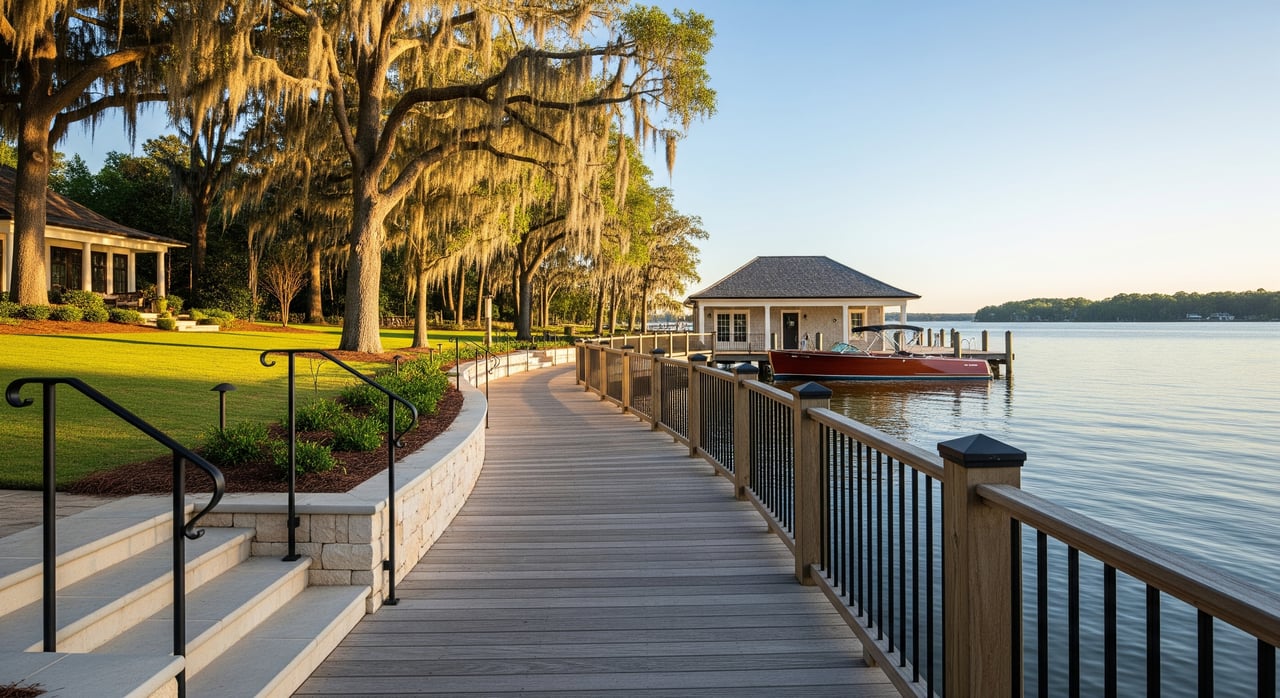
Your Guide to Timberlake Plantation Lake Murray Access
December 11, 2025
December 11, 2025
Dreaming of Lake Murray living in Chapin but not sure how Timberlake Plantation actually gets you on the water? You are not alone. Buyers and sellers often hear “lake access” and assume it means the same thing for every home, which can lead to surprises later. In this guide, you will learn how access typically works in Timberlake-area properties, what to verify with the HOA and county, and how access can influence value and daily life. Let’s dive in.
Timberlake Plantation sits in the Chapin area of Lexington County near the shores of Lake Murray. Properties in and around the neighborhood can range from true waterfront to near-water and interior lots. The type of lot you buy will shape your day-to-day access and the rules that apply.
Because access is governed by parcel details and HOA policies, you should verify specifics with the Timberlake Plantation HOA, Lexington County GIS and permits, and the Town of Chapin. Ask for written policies and recorded documents. This helps you understand exactly what you can do from your property and what you will rely on nearby marinas or public ramps to handle.
Some lake-area communities maintain private common areas along the shoreline. These may include shared docks, slips, a launch ramp, or carry-down access for small craft. Availability, fees, and usage rules are set by the HOA and can change.
Before you make an offer, ask the HOA or property manager to clarify:
Properties with deeded or exclusive access often command a premium. Shared access can still add strong lifestyle value, but confirm how usable it is during peak seasons and how upkeep is funded.
If your lot is interior or if private facilities are full, you may rely on public ramps or private marinas around Lake Murray. Options in the Chapin and Lexington areas range from multi-lane public launches to full-service marinas with fuel, pump-out, repairs, winterization, and transient docking.
When you scout these options, check:
A quick timing run during a typical Saturday tells you more than a list of features. It helps you plan realistic boating windows and decide whether to keep a boat at home or at a slip.
Many buyers want to paddleboard, kayak, or swim without trailering a boat. Neighborhoods sometimes allow carry-down access even when ramp use is limited. Ask whether there are marked paths, posted hours, life ring stations, or seasonal rules for swimming near docks.
For small craft, confirm where you can stage gear, whether carts are allowed, and any storage guidelines. Clear rules help you enjoy the shoreline safely without conflicts during busy hours.
Lake Murray activity peaks from spring through fall, and conditions can change with wind or storms. Operator notices, marina advisories, and local patrols can influence where and when you head out. If you plan evening or shoulder-season boating, confirm lighting, quiet hours, and no-wake zones near marinas and shoreline.
Make sure everyone in your party knows where life jackets are, how to read channel markers, and whom to call in an on-water emergency. Local sheriff or marine patrol units and the South Carolina Department of Natural Resources provide enforcement on the lake.
South Carolina sets statewide boating rules that cover vessel registration, age limits for operating personal watercraft, required safety gear, and boating under the influence laws. Enforcement is typically handled by SCDNR and local patrols. Review current rules before the season starts and refresh guests on the basics.
If a property has a private dock, verify that all past construction and major repairs were permitted and recorded. For new work, the typical sequence includes HOA architectural approval, county building or zoning review, and any reservoir-owner policies that apply along Lake Murray’s shoreline. Keep copies of permits and plats with your closing documents.
Check for recent water quality or fish consumption advisories from state agencies, especially before peak season. Ask nearby marinas about pump-out availability and fuel dock procedures, which help prevent pollution. If there is shoreline vegetation or erosion, ask about stabilization guidelines and long-term maintenance costs.
Use FIRMs and a parcel-specific determination to confirm flood zone status. A licensed insurance agent can quote realistic premiums and advise on lender requirements. Ask for the recent history of lake level fluctuations as they relate to docks, bulkheads, and underwriting.
Access is a lifestyle feature that also influences marketability. In general, deeded or exclusive lake access and private docks increase desirability compared with interior homes that rely on public launches. Proximity to ramps and marinas adds convenience, but very busy nodes can bring traffic or noise that some buyers will weigh carefully.
HOA fees tied to waterfront upkeep and dock maintenance are part of total cost of ownership. Buyers respond well when fees, rules, and access rights are clear up front. When you list, presenting accurate access details and organized documentation helps your home stand out and reduces friction during due diligence.
Use this quick list before you write an offer:
Set buyers up for confidence and a smooth closing:
Every Timberlake-area property is unique, and the right plan depends on the access you want, the rules that apply, and your budget for ownership and upkeep. If you are weighing homes with different access types, or you need help confirming HOA and county details before you list, you do not have to navigate it alone. For local guidance and a clear plan to buy or sell with confidence, connect with Mackenzie Robertson.
Stay up to date on the latest real estate trends.

Let’s make your next move in Columbia effortless and successful.